
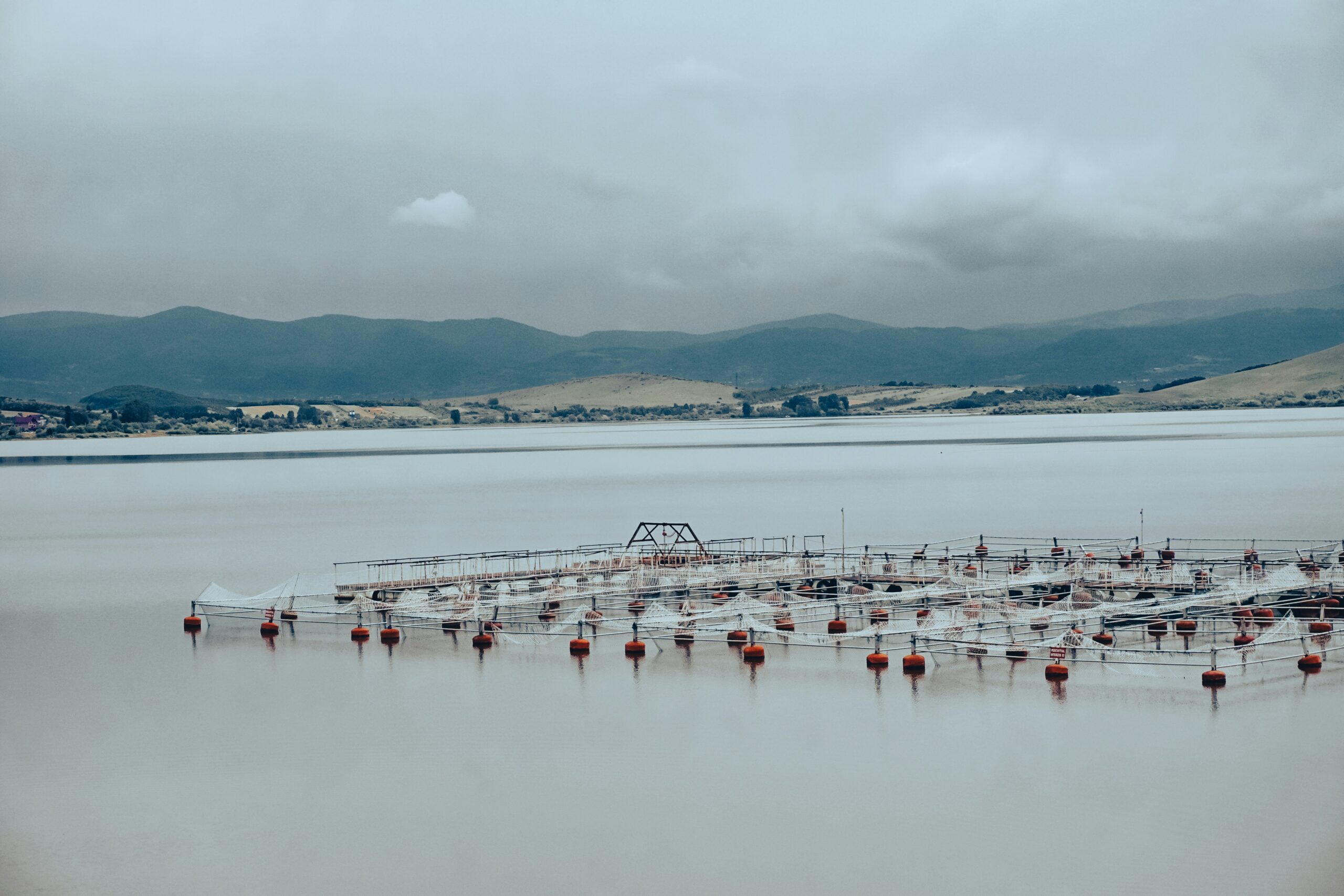
At Dahui Aquaculture Limited, we’re not just another fish farm—we’re on a mission to transform aquaculture into a sustainable and eco-friendly industry that nurtures both the environment and the economy. As global food demand surges and concerns about climate change intensify, the need for efficient, scalable, and sustainable farming methods has never been more urgent. That’s where sustainable aquaculture innovations come in.
In this blog, we dive deep into cutting-edge technologies, industry insights, and success stories in sustainable aquaculture, specifically focusing on Recirculation Aquaculture Systems (RAS), hydroponics, aquaponics, and more. Let’s explore how Dahui is shaping the future of food production with a green thumb (and fin)!
Recirculation Aquaculture Systems (RAS): Revolutionizing Fish Farming
Fish farming has traditionally relied on open water pens, which unfortunately come with environmental concerns like waste management, water pollution, and disease spread. Enter Recirculation Aquaculture Systems (RAS)—a groundbreaking technology that allows us to farm fish in a controlled, closed-loop system.
How RAS Works
RAS technology recycles water within the system, filtering and purifying it to create an ideal aquatic environment with minimal waste. With biofilters, mechanical filtration, and UV disinfection, RAS systems are more efficient and environmentally friendly than traditional fish farms. The result? Higher productivity, lower water usage, and reduced risk of pollution.
Benefits of RAS
- Water conservation: RAS systems use up to 99% less water compared to conventional methods.
- Waste reduction: Filters ensure that waste is treated, minimizing the environmental footprint.
- Disease control: Controlled water conditions drastically reduce disease outbreaks, improving fish health.
- Scalability: RAS allows fish farming in almost any location, reducing reliance on ocean-based aquaculture.
With RAS, we’re taking fish farming to the next level—where clean technology meets responsible production.
Hydroponics: A Soil-less Solution to Grow More with Less
While RAS focuses on aquatic species, hydroponics takes sustainable farming to land—without even using soil! In hydroponic systems, plants grow in nutrient-rich water solutions instead of traditional soil-based methods. This system is ideal for farming in places with limited arable land or water resources, making it an essential tool for future food security.
Why Hydroponics?
- Water efficiency: Hydroponics systems use up to 90% less water than traditional soil farming.
- Space-saving: Plants can grow vertically, allowing for high-density farming in urban areas.
- No soil degradation: Since plants don’t rely on soil, issues like soil erosion or nutrient depletion are eliminated.
By incorporating hydroponics into aquaculture operations, farmers can produce both aquatic species and plants in a sustainable, circular system.
Aquaponics: A Symbiotic Ecosystem
If RAS and hydroponics sound groundbreaking on their own, wait until you hear about aquaponics. It’s the ultimate marriage of fish farming (aquaculture) and plant farming (hydroponics). In aquaponics systems, fish waste provides nutrients for plants, and in return, the plants purify the water for the fish. It’s a self-sustaining ecosystem that perfectly mimics nature’s own processes.
The Benefits of Aquaponics
- Closed-loop system: Waste from fish is naturally absorbed by the plants, reducing the need for external fertilizers.
- Zero waste: Every element of the system serves a purpose—nothing is wasted.
- Natural filtration: Plants act as biofilters, purifying water and maintaining a healthy environment for fish.
- Dual production: Grow fish and vegetables in a single, efficient system, maximizing output.
Aquaponics represents the future of sustainable agriculture, offering a practical solution to feeding a growing population while minimizing environmental impact.
Success Stories: Sustainable Aquaculture in Action
At Dahui Aquaculture Limited, we’re proud to be at the forefront of sustainable innovations. Here are some of our key projects and success stories:
1. RAS Systems in Coastal Communities
In regions where water scarcity is a pressing issue, our RAS technology has helped coastal communities farm fish sustainably. These projects have not only provided food security but also created jobs, boosting local economies while preserving precious water resources.
2. Urban Aquaponics in City Centers
Through urban aquaponics projects, we’ve transformed unused spaces in city centers into thriving greenhouses that produce fish and vegetables. These initiatives have become models of sustainable urban farming, reducing food transportation emissions and providing fresh, locally sourced food.
3. Hydroponics in Desert Areas
By implementing hydroponic systems in arid regions, we’ve demonstrated that farming is possible even in the harshest climates. These systems allow for year-round production with minimal water use, offering a lifeline to communities in drought-prone areas.
What’s Next? The Future of Sustainable Aquaculture
The journey toward a sustainable food future doesn’t end here. At Dahui Aquaculture Limited, we’re constantly researching new technologies and methods to make aquaculture even more efficient and eco-friendly. Whether it’s experimenting with integrated multi-trophic aquaculture (IMTA), which grows multiple species together to enhance biodiversity, or exploring renewable energy solutions to power our farms, we’re committed to driving innovation in every aspect of our work.
Join Us on Our Mission
The future of sustainable aquaculture is bright, and it’s happening now. We invite you to follow our blog for the latest updates on technologies, projects, and insights in this exciting field. Together, we can create a better planet by revolutionizing how we grow food—both on land and in the water.
Stay tuned for more stories from the frontier of sustainable aquaculture with Dahui Aquaculture Limited!