

Building a Recirculating Aquaculture System (RAS): The Future of Sustainable Fish Farming
Aquaculture, or fish farming, plays a vital role in meeting the growing global demand for seafood. However, traditional open-water aquaculture methods often face challenges such as environmental impacts, water scarcity, and disease outbreaks. In recent years, the development of Recirculating Aquaculture Systems (RAS) has revolutionized fish farming by offering a more efficient and sustainable approach. In this blog, we will explore the key considerations involved in building a RAS aquaculture system and understand why it holds great promise for the future of fish production.
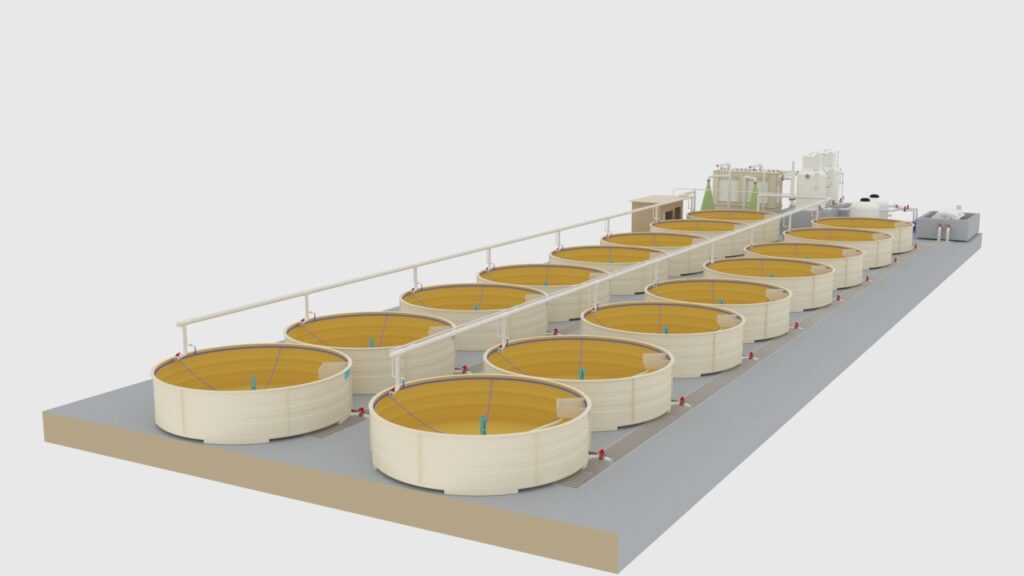
- System Design: Designing a RAS system begins with careful planning and consideration. Factors such as available space, target species, and production goals influence the layout. Determining tank capacity, filtration systems, and water treatment components are critical components of the design process. Efficient flow management and waste control should be integrated into the system to ensure optimal performance.
- Water Quality Management: Maintaining optimal water quality is crucial for fish health and growth. RAS technology allows for precise control over water parameters. Mechanical, biological, and chemical filtration systems help remove solids, convert ammonia into less toxic forms, and ensure proper oxygenation and pH levels. Regular monitoring and control systems are necessary to adjust water parameters as needed.
- Tank and Habitat Design: Choosing suitable tank materials and shapes is essential to create a conducive environment for the target species. Factors such as tank size, water depth, and aeration systems must be considered. Providing hiding spots or structures within the tanks helps reduce stress and optimize fish growth.


- Biosecurity Measures: Biosecurity is of utmost importance in RAS aquaculture systems. Strict protocols are necessary to prevent disease outbreaks and the entry of pathogens. Quarantine procedures for new fish introductions, disinfection practices, and effective filtration and water treatment systems minimize disease risks and ensure the health of the fish population.
- Energy Efficiency: To minimize environmental impact and operational costs, energy-efficient practices should be adopted. Selecting energy-efficient equipment, utilizing renewable energy sources where feasible, and implementing controls and monitoring systems help reduce energy consumption.
- Staffing and Expertise: Operating a RAS system requires a knowledgeable and experienced team. Proper training and understanding of the technology are essential for efficient system management and fish welfare. Having skilled staff to monitor the system, address any issues promptly, and ensure proper fish care is crucial.
- Regulatory Compliance: Adherence to local regulations and obtaining necessary permits is essential for operating an aquaculture facility. Compliance with environmental, health, and safety standards is critical. Obtaining the required licenses and approvals prior to construction and operation ensures a smooth and legally compliant process.
- Economic Feasibility: Conducting a thorough economic analysis is vital to assess the financial viability of a RAS aquaculture project. Evaluating initial investment costs, operational expenses, market demand, and projected revenues helps determine the potential return on investment. A comprehensive understanding of the financial aspects ensures the project’s sustainability and success.
- Continuous Monitoring and Optimization: Regular monitoring of system parameters, fish health, and growth performance is essential. Implementing data logging and analysis tools enables the identification of trends and optimization of system performance. Making necessary adjustments to maintain optimal conditions for fish growth and overall system efficiency ensures long-term success.
Building a RAS aquaculture system offers numerous advantages for sustainable fish farming. With better control over water quality, reduced water usage, minimized environmental impacts, and enhanced biosecurity, RAS systems represent the future of aquaculture. By incorporating the considerations mentioned above and seeking expert guidance, entrepreneurs and fish farmers can establish efficient and profitable RAS aquaculture systems that meet the demand
Hi dear Manager
My name is Mehrdad Kamali from Iran.
I work as shrimp culture expert in Iran.
My question is about RAS system
Could you design a new RAS in our shrimp nursery?
What kind of change your team can do it?
How much money should be pay for new design?
Best regards